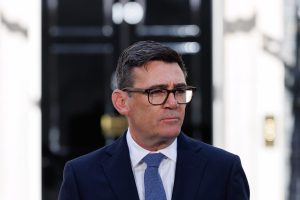

Prime Minister, Sir Keir Starmer MP, has said his Government is committed to reducing healthcare expenses for families, during a visit to a pharmacy in London on Monday 26 January, according to Pharmacy Business.
The Prime Minister was accompanied by Health Secretary, Rt Hon Wes Streeting MP, and the visit was used to outline the Government’s stated approach to supporting community pharmacies as part of wider efforts to improve access to healthcare.
During the visit, the Prime Minister outlined what he described as “practical” steps aimed at easing financial pressures on families across London. As reported by Pharmacy Business, he referred to the Government’s decision in the most recent Budget to freeze NHS prescription charges for a second consecutive year. He said this would reduce the cost of each paid-for prescription by 50p and deliver an estimated £12 million in savings for patients in England in 2026–27.[1]
The Prime Minister also highlighted the introduction of a combined measles, mumps, rubella, and chickenpox vaccine free of charge on the NHS. According to Pharmacy Business, the chickenpox vaccine had previously cost families around £150 for two doses.[2] He said the policy is expected to save the NHS approximately £15 million a year in treatment costs for chickenpox, while also reducing the need for multiple GP visits for families.[3]
According to Pharmacy Business, the Prime Minister said the Government is expanding the role of community pharmacies by increasing the range of services they provide. These include offering the morning-after pill free of charge and providing additional support and advice for patients newly prescribed antidepressants. According to the Government, these measures are intended to make healthcare more accessible and convenient at a community level.[4]
Commenting on wider health reforms, the Prime Minister said:
“Empowering community pharmacies comes alongside this Government getting the waiting lists for London down more than 92,000 compared to when we took office, thanks to vital reform and investment.”[5]
The Prime Minister and Health Secretary’s visit aligns with the Government’s broader health reform agenda as outlined in its Plan for Change. The Plan sets out proposals to move care from hospital-based services to community settings, including through the development of a neighbourhood health service designed to provide more proactive and personalised care closer to patients’ homes.[6]
Notes
[1] Pharmacy Business, ‘Starmer says his government is committed to reducing healthcare expenses of families’, 27 January 2026, Link
[2] Pharmacy Business, ‘Starmer says his government is committed to reducing healthcare expenses of families’, 27 January 2026, Link
[3] Pharmacy Business, ‘Starmer says his government is committed to reducing healthcare expenses of families’, 27 January 2026, Link
[4] Pharmacy Business, ‘Starmer says his government is committed to reducing healthcare expenses of families’, 27 January 2026, Link
[5] Pharmacy Business, ‘Starmer says his government is committed to reducing healthcare expenses of families’, 27 January 2026, Link
[6] Prime Minister’s Office 10 Downing Street, ‘Plan for Change’, Link