
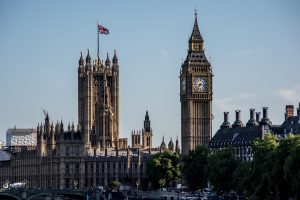

What is the future of Clean Power 2030?
The Prime Minister’s recent op-ed in The Guardian, announcing the launch of the £30m Great British Energy Community Fund, re-emphasised his commitment to bring power to every postcode, mitigate climate change, and deliver on Labour’s election commitment to reach net zero by 2050. However, conspicuous in its absence was any mention of Clean Power 2030.
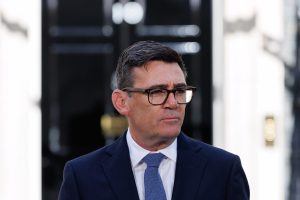

Andy Burnham Devolution Tracker
This working tracker monitors the evolution of Andy Burnham’s devolution policies, tracking the policy moves shaping national Government, local government, and regional strategic authorities.


Scottish Data Centre Planning: Political Scrutiny
Scotland’s digital infrastructure boom faces heightened political and Ministerial scrutiny under the 50MW planning direction. Here is how developers can navigate Scottish data centre planning and secure project consent.

The Civil Society Covenant: What the Data Reveals for Charities
Labour’s Civil Society Covenant promises partnership with charities, but the data shows funding and procurement gains concentrated in large organisations. Brevia examines what this means for small charities and where the opportunity lies.
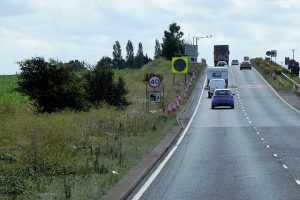
RIS3 Explained: National Highways’ £8.4bn Renewals Programme Under Scrutiny
The ORR’s latest assessment flags delivery risk in National Highways’ £8.4bn RIS3 renewals programme. Here’s what it means for RP3 and beyond.

What the Government’s VAT Removal Means for Electricity Bills
The Prime Minister announced the removal of VAT from household electricity bills less than twenty-four hours after entering Number 10. Framed as part of efforts to address the cost of living, this decision highlights a shift in emphasis in the Government’s approach to energy policy, with a focus on reducing cost.

How to Submit a Representation to HM Treasury for Autumn Budget 2026
HM Treasury has opened its portal for Autumn Budget 2026 representations. Read Brevia’s breakdown of key dates, Treasury evaluation criteria, and strategic public affairs advice to ensure your submission delivers maximum impact.


Miatta Fahnbulleh: What does the new DESNZ Secretary of State mean for UK energy policy?
The appointment of Miatta Fahnbulleh MP as Secretary of State for Energy Security and Net Zero was one of the most intriguing appointments made by the new Prime Minister Andy Burnham MP. Having previously served as Minister for Energy Consumers, Fahnbulleh returns to the Department she initially joined as a junior minister immediately in 2024, but this time at its helm. In this article, Brevia reviews Fahnbulleh’s expected direction, what her appointment signals for energy policy and the issues businesses should be watching over the coming months.

What does Miatta Fahnbulleh MP need from Allocation Round 8?
On 20 July, the application window for Allocation Round 8 (AR8) opened, the third renewable auction under a Labour Government, which will have a critical role in realising its energy policy ambitions. The opening coincided with Miatta Fahnbulleh MP’s appointment as the new Secretary of State for the Department of Energy Security and Net Zero (DESNZ).
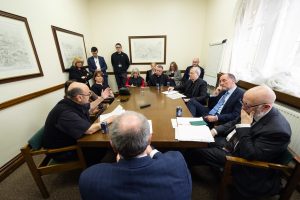
APPG Rules in 2026: Compliance updates and wider political transparency
Brevia analyses what it means for businesses now that the new APPG rules are fully in force, and transparency in public life is under fresh review.

DIP-ping into the DESNZ budget
The outgoing Prime Minister has confirmed that funding the Defence Investment Plan (DIP) will require capital projects in roads and energy to be scrapped. On top of the 1% reduction in capital budgets that all Departments must find to fund the DIP, DESNZ will be tasked with finding a further £2bn savings over four years. For DESNZ this means a £100m capital budget reduction this calendar year, £600m in 2027/28, £700m in 2028/29, and £600m in 2029/30. This article explores where these savings might come and potential impact on DESNZ commitments.

Greater Manchester Mayoral Election 2026: Everything You Need to Know
Discover the candidates in the 2026 Greater Manchester mayoral election, and what the result could mean for businesses, investment and policy.